Flexible interconnection / Texas + ERCOT
Make earlier capacity accountable.
Leash is exploring a physical and software interface for flexible loads: control at the connection, evidence around the grid, and a clearer path to usable power.
See how it works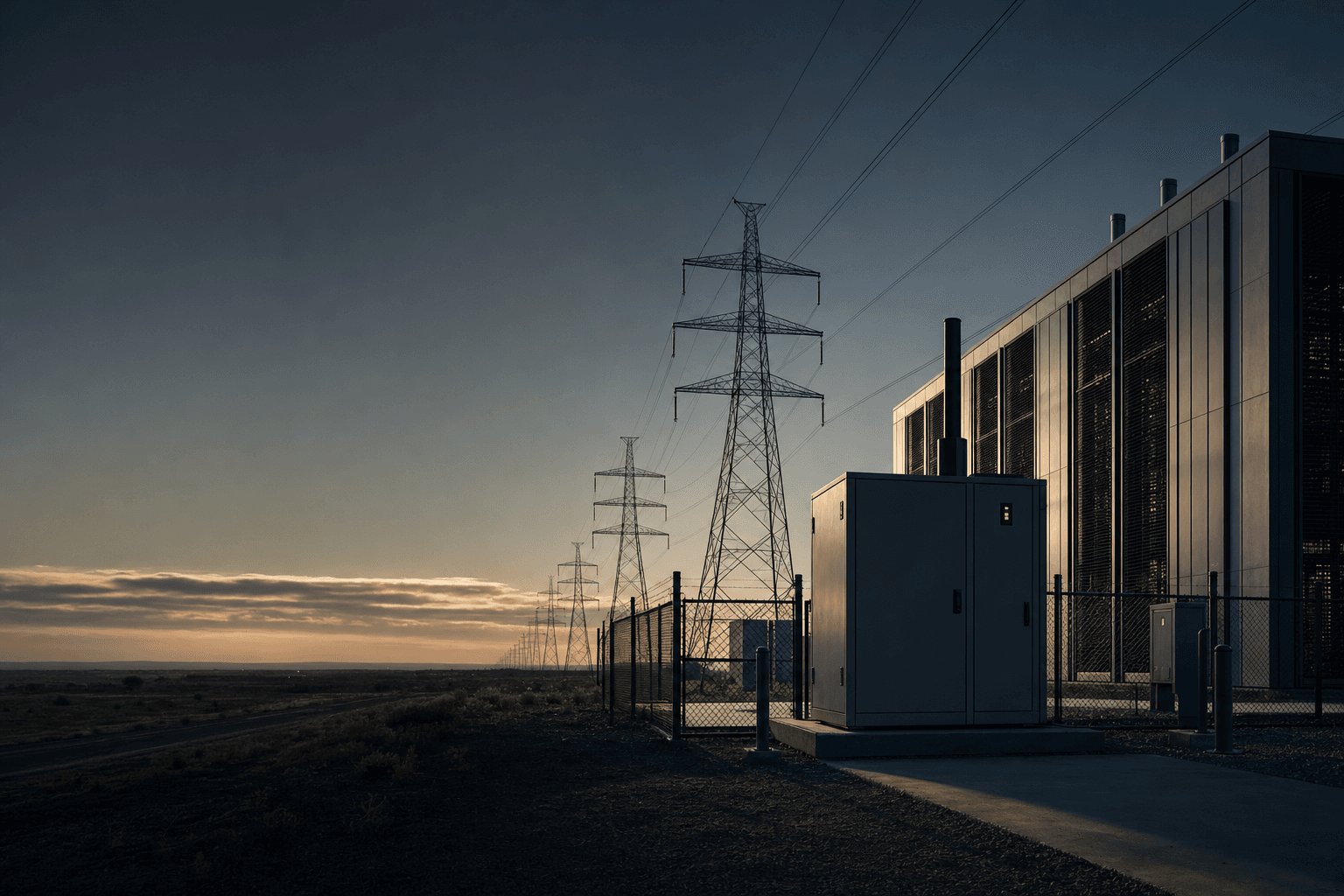
01 / The opening question
What if the grid could say yes sooner?
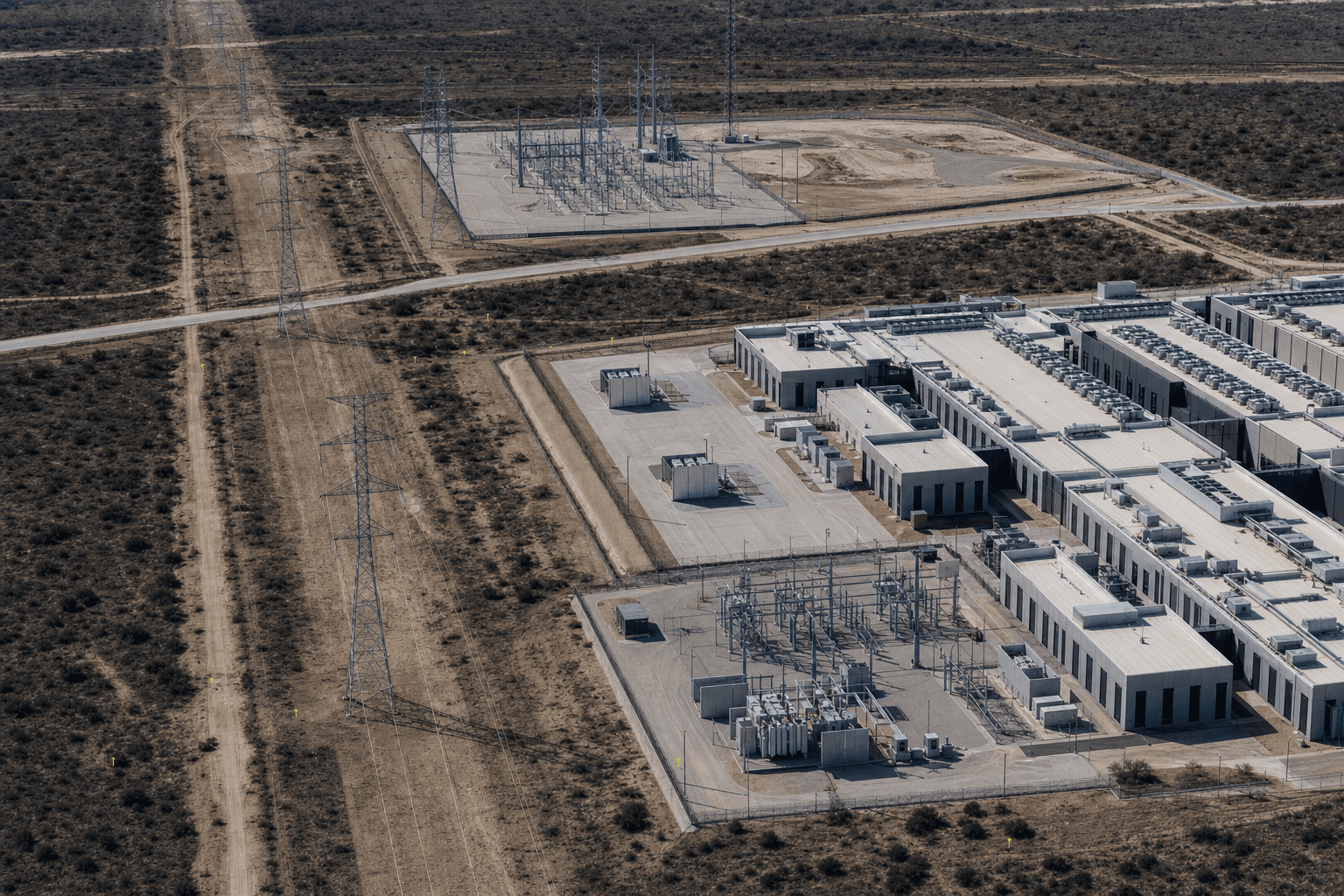
A large AI load can have a valuable site and still wait years for firm capacity. A flexible connection may create another path, but only if the utility can trust what will happen when the grid needs less.
Leash is validating the requirements for that trust: physical command authority, local grid evidence, cybersecurity, testing, and safe behavior when a signal or device fails.
Working hypothesis
Potential time recovered when flexible interconnection is accepted earlier.
This is a hypothesis to test with developers and utilities, not a promised outcome.
02 / The control loop
The proof has to be physical.
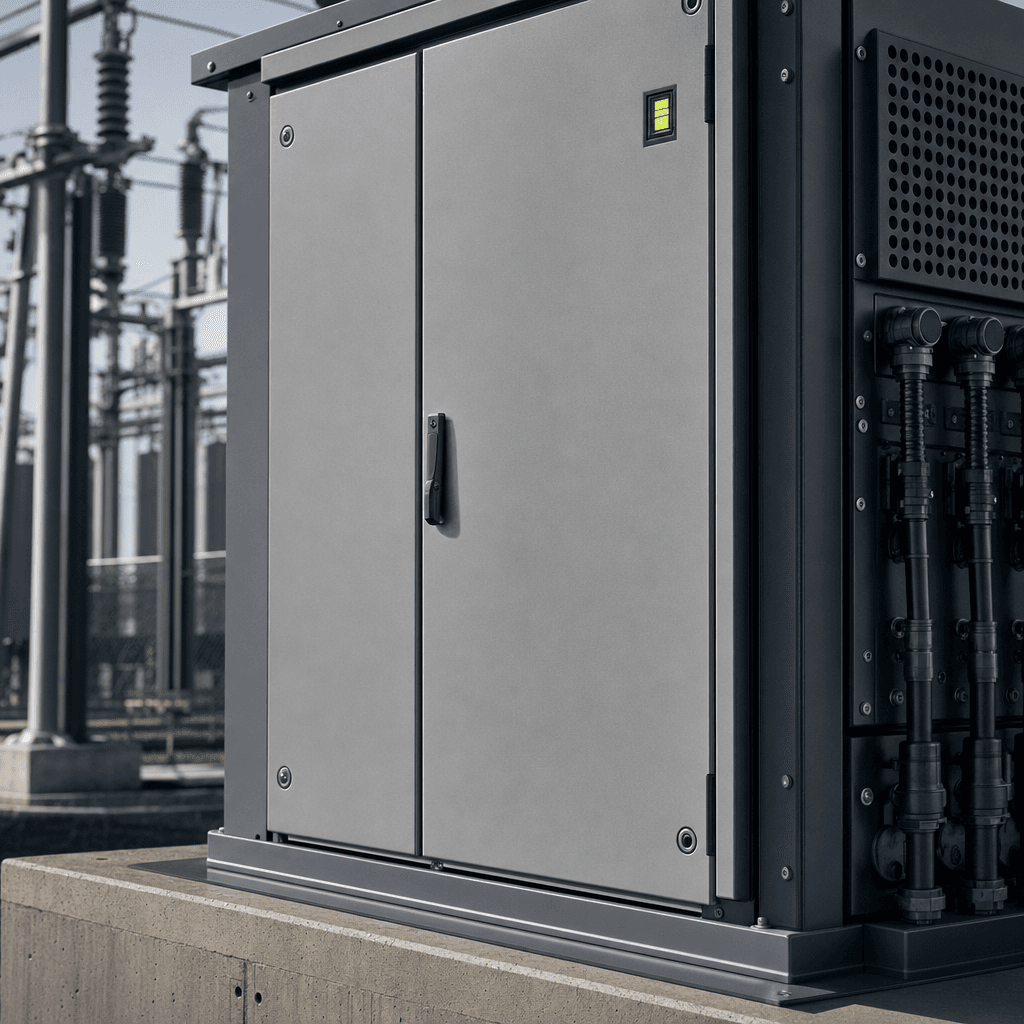
The proposed kit connects the utility’s constraint to the site’s flexibility without asking either side to trust a black box.
Control
A utility can issue a binding curtailment command at the point of interconnection, not just ask software to try.
Measure
Sensors on nearby transformers and lines help show the headroom that is actually available around the site.
Prove
A vendor-neutral record brings command, response, and failure behavior into the same auditable loop.
03 / Different accountabilities
One interface. No black box.
For developers
Turn stranded project time into a clearer case for earlier usable capacity.
For utilities
See physical control, measured response, and safe failure behavior in one conversation.
For flexibility partners
Add a neutral physical trust layer without replacing the software that coordinates the site.
04 / Validation in the open
The next proof is a conversation.
Bring the interconnection requirement you need to test. Leash is looking for the details that make flexible load credible to the people who carry the reliability risk.
Useful starting points
A real project timeline. A curtailment scenario. A utility requirement. A failure mode we should design around.